Anesthesia-Free Dental Cleaning

Professional dental care for dogs and cats — safe, stress-free and done while your pet is fully awake. No sedation, no recovery time.

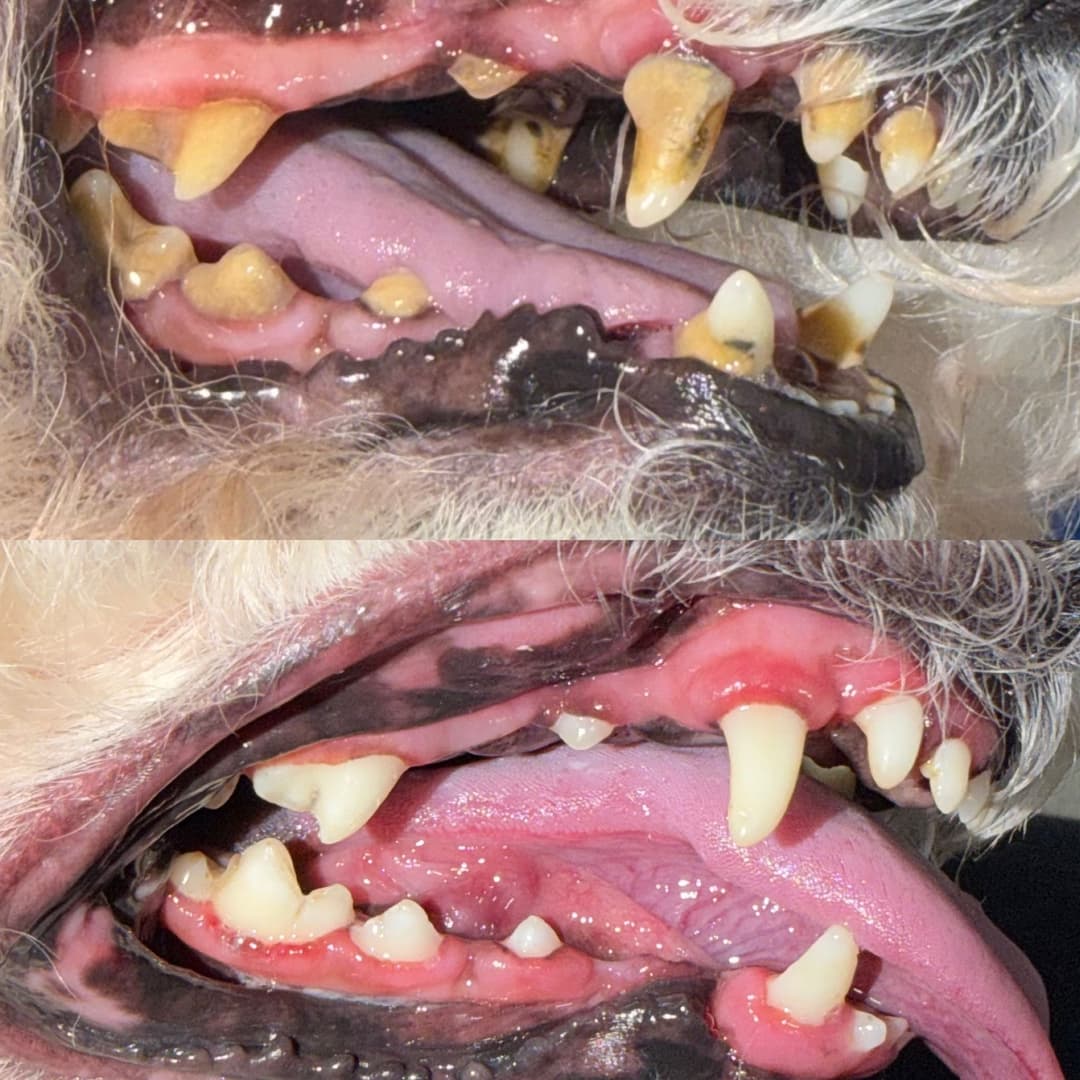
Real dog dental cleaning result at PetSpa Miami — before and after tartar removal
A healthier smile, no sedation needed

Dental health is whole-body health

Most pet owners don't realize that by age three, over 80% of dogs and 70% of cats already show signs of periodontal disease. Left untreated, the bacteria from gum disease can travel through the bloodstream and damage the heart, kidneys and liver.

Our anesthesia-free dental cleaning removes the plaque and tartar buildup that leads to disease — gently, safely and without the risks that come with sedation. It's preventive care that makes a real difference in your pet's quality of life.

  • Safe for dogs and cats of all ages
  • No anesthesia — no fasting, no recovery
  • Ideal for seniors and pets with health conditions
  • Removes visible and subgingival tartar buildup
  • Finishing polish to slow future plaque adhesion
  • Oral health report shared after every session
The safer choice

Why skip the anesthesia?

Traditional veterinary dental cleanings require general anesthesia — and with it comes real risks. Here's why more pet owners are choosing the anesthesia-free approach.

⚠️

Traditional dental cleaning

  • Requires general anesthesia
  • Risks include adverse reactions & cardiac events
  • Fasting required beforehand
  • Recovery can take 12–24 hours
  • Higher overall cost
  • Typically done once a year at most

PetSpa anesthesia-free cleaning

  • Fully awake — no sedation
  • Safe for seniors, small breeds & medically fragile pets
  • No fasting required
  • Your pet goes home alert and happy
  • Accessible and easy to schedule regularly
  • Recommended every 3–6 months for best results
Why it matters

Six reasons to prioritize dental care

🦷

Removes plaque & tartar

Professional scaling clears buildup that brushing at home can't reach — the root cause of most dental disease in pets.

💨

Freshens breath

Bad breath is almost always a sign of bacterial buildup. A proper cleaning gets to the source rather than masking it.

❤️

Protects heart & organs

Periodontal disease allows bacteria to enter the bloodstream. Regular dental care reduces the risk of heart, kidney and liver complications.

🐾

No sedation, no risk

Anesthesia carries real risks — especially for small breeds, senior pets and those with health conditions. Our approach removes that risk entirely.

⏱️

No recovery time

Your pet goes home happy and alert right after the session. No groggy aftermath, no monitoring period, no disruption to their day.

🔄

Easy to maintain regularly

Because there is no anesthesia involved, sessions are easier to schedule as part of a routine — not just when problems become serious.

What to expect

A simple, gentle process

1

Oral assessment

We begin with a visual check of teeth, gums and overall oral health, noting any areas of concern.

2

Plaque & tartar scaling

Using professional dental instruments, we gently remove buildup from tooth surfaces and just below the gumline.

3

Polish & rinse

Teeth are polished to smooth surfaces and reduce future plaque adhesion, followed by an antibacterial rinse.

4

Health report

We share what we found — any visible gum recession, broken teeth or signs to discuss with your vet.

Is it right for my pet?

Who benefits most from anesthesia-free cleaning?

While anesthesia-free dental care is beneficial for virtually all pets, it is particularly valuable for those who face elevated risk under general anesthesia — and as regular preventive maintenance for every pet, regardless of age or breed.

  • Senior dogs and cats (7+ years)
  • Small and toy breeds (higher anesthesia sensitivity)
  • Brachycephalic breeds — Bulldogs, Pugs, Persian cats
  • Pets with heart, liver or kidney conditions
  • Pets needing routine maintenance between vet cleanings
  • Any dog or cat with mild-to-moderate tartar buildup

Note: anesthesia-free cleaning is a complementary preventive service. Pets with advanced periodontal disease or in need of extractions should be seen by a veterinarian.

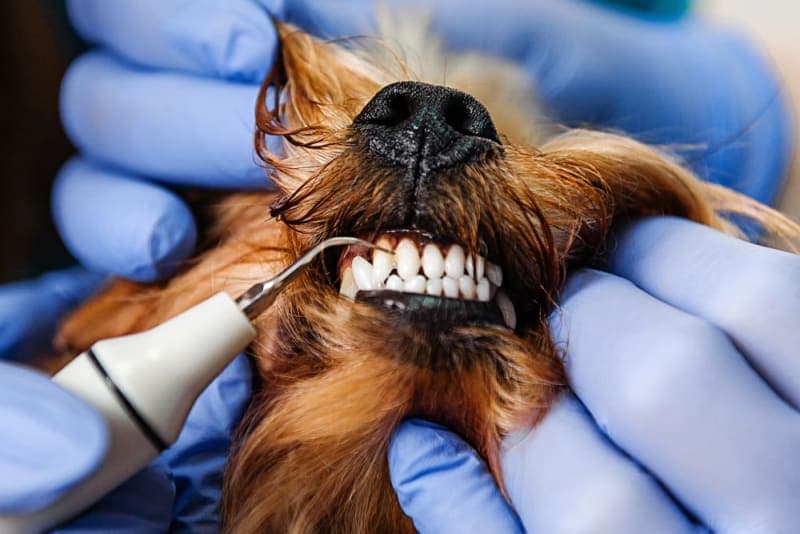
Healthy, happy dog after dental cleaning at PetSpa Miami
Common questions

Frequently asked questions

Is anesthesia-free dental cleaning safe for my pet?

Yes — anesthesia-free dental cleaning is a safe, non-invasive procedure performed by trained technicians. It is especially beneficial for senior pets, small breeds and pets with underlying health conditions that make anesthesia a higher risk.

What is the difference between anesthesia-free and traditional dental cleaning?

Traditional dental cleanings require general anesthesia, which carries risks including adverse reactions, extended recovery time and significant stress. Anesthesia-free cleaning removes plaque and tartar while your pet is fully awake and calm — no sedation, no recovery period needed.

How often should my dog or cat have a dental cleaning?

Most pets benefit from a professional dental cleaning every 3 to 6 months, depending on their breed, diet and existing oral health. Smaller breeds and dogs with flat faces tend to accumulate tartar faster and may need more frequent sessions.

What does the dental cleaning at PetSpa Miami include?

Our session includes a visual oral health assessment, scaling to remove plaque and tartar from tooth surfaces and the gumline, and a finishing polish. We also check for visible signs of gum disease, broken teeth or other concerns to flag for your veterinarian.

Do you offer dental cleaning for cats as well as dogs?

Yes — we provide anesthesia-free dental cleaning for both dogs and cats. Our team is trained to handle each species with care and patience.

Give your pet the gift of a healthy smile.

Book an anesthesia-free dental cleaning — no sedation, no stress, just a cleaner and happier pet.

Book a session